







New Delhi, May 29
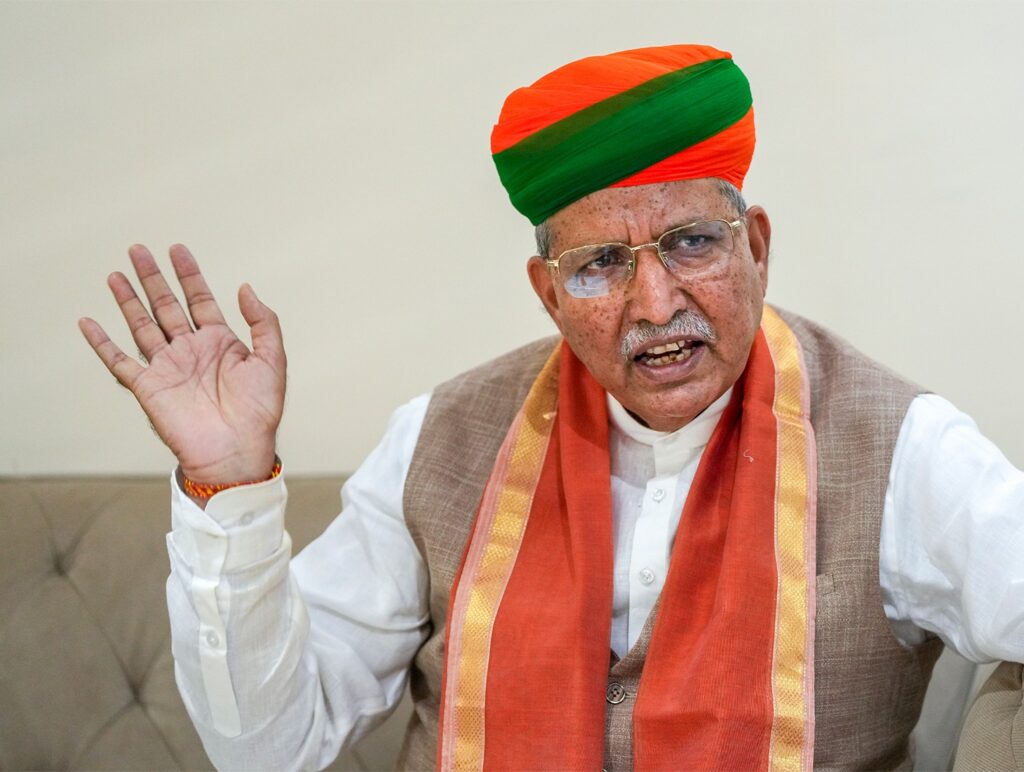
Law Minister Arjun Ram Meghwal has said the women’s reservation law providing 33 percent quota for women in the Lok Sabha and state assemblies is unlikely to face prolonged delays, indicating that it could be implemented before the 2029 general election. In an interview with Press Trust of India , the Union Law Minister said the government was committed to ensuring that the “Nari Shakti Vandan” law does not remain pending for long.
“We will not let the Nari Shakti Vandan wait for long. The country also does not want the women’s reservation law to wait for long,” he said. Meghwal’s remarks came after a Constitution amendment bill linked to the implementation of the 2023 women’s quota law was defeated in the Lok Sabha in April.
The proposed amendment sought to increase the number of Lok Sabha seats from 543 to a maximum of 850 before the next parliamentary elections in 2029. The minister clarified that the women’s reservation law was brought into force on 16 April because amendments to a law can only be made once it is operational.
“If the law is not in force, what will you amend?” he asked. Addressing concerns over equitable representation for states during the delimitation process, Meghwal said the government introduced both a delimitation bill and a constitutional amendment to facilitate implementation of the women’s quota law.
However, he accused opposition parties of using “fallacious reasoning”, which resulted in the amendment bill failing to secure the required two-thirds majority in the Lok Sabha on 17 April. The government argued that delimitation could not take place in 2026 without first conducting a census, a prerequisite for implementing the reservation policy.
During an extended parliamentary sitting on 17 April, the Constitution amendment bill received support from 298 MPs, while 230 voted against it. The legislation required 352 votes for passage. Under the proposal, Lok Sabha seats would have been expanded to operationalise the women’s reservation law ahead of the 2029 elections, based on a delimitation exercise using 2011 Census data.
The bill also proposed increasing seats in state assemblies and Union Territories to accommodate the 33 percent reservation for women.
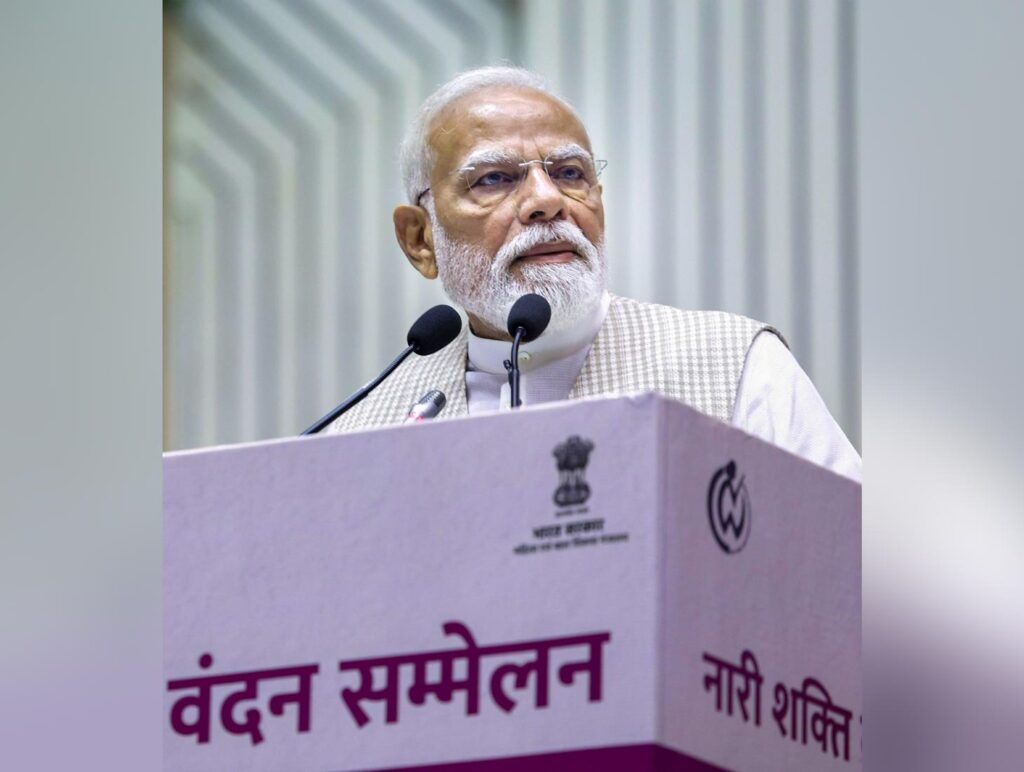
A day after the bill’s defeat, Prime Minister Narendra Modi addressed the nation, accusing the opposition, including the Indian National Congress and its allies, of “killing” the legislation. Modi said women across India would “severely punish” opposition parties for blocking the bill, which he described as a setback to women’s empowerment.
The Prime Minister also apologised to women, saying the government had failed to secure enough votes but would continue pursuing the legislation. “We may not have got the necessary 66% votes for the passage of the bill yesterday, but we have got 100% blessings of Nari Shakti,” he said.
He further accused opposition parties of “mercilessly crushing” the aspirations of women by preventing the bill from passing despite the government’s efforts.
Jabalpur, June 26 The Madhya Pradesh High Court on Thursday dismissed a defamation case against…
New Delhi, June 25 Prime Minister Narendra Modi on Thursday described the Emergency imposed in…
The Centre government has said that a passport has never been considered conclusive proof of…

Venezuela, June 25 At least 164 dead, 971 people injured after two powerful earthquakes struck…