






New Delhi, June 25
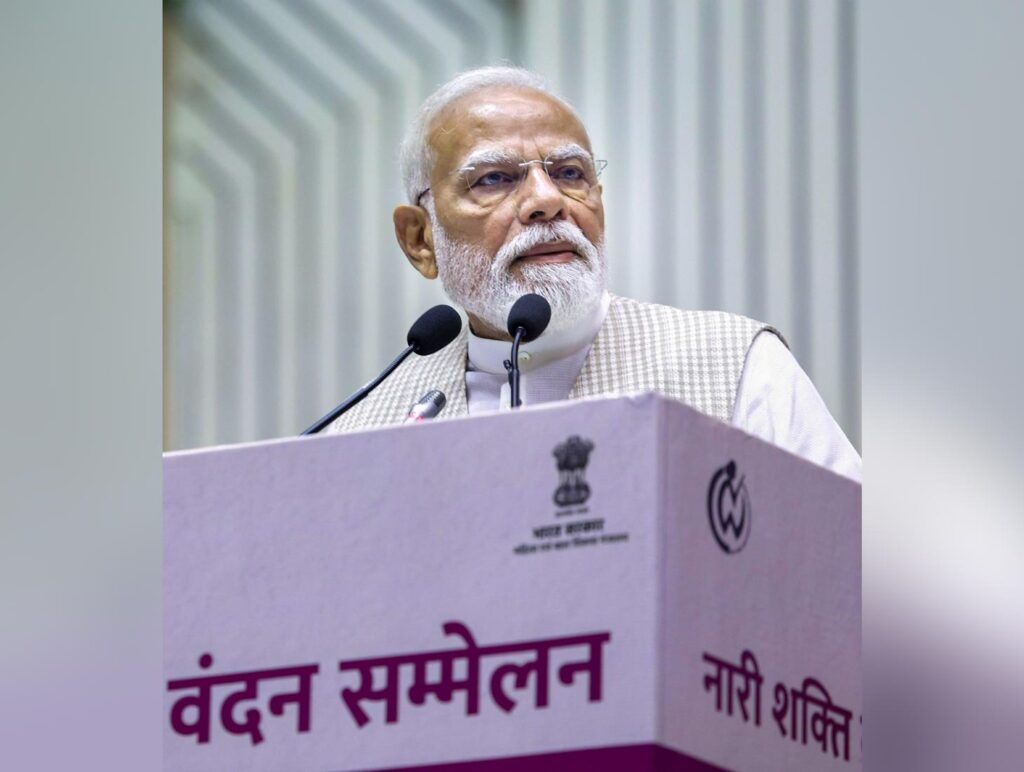
Prime Minister Narendra Modi on Thursday described the Emergency imposed in 1975 as a “direct assault” on India’s Constitution, saying it was a period marked by the suspension of civil liberties, restrictions on free speech and attacks on democratic institutions. On the 51st anniversary of the Emergency, the Prime Minister paid tribute to those who resisted what he called one of the darkest chapters in independent India’s history. He said the period exposed the resilience and courage of citizens who stood up for democratic values despite widespread repression.
In his post on X, he further said the Emergency was a direct assault on our Constitution. “Political leaders, journalists and social workers were jailed while constitutional freedoms were curtailed,” he added.
Modi said the Constitution embodies the aspirations, rights and duties of India’s 1.4 billion people and stressed the need to protect its core values. He said the country remained committed to justice, liberty, equality and fraternity. India was placed under Emergency rule between 25 June 1975 and 21 March 1977 under Article 352 of the Constitution. The move granted sweeping powers to the executive, strengthened central control and led to the suspension of several constitutional safeguards.
The period also witnessed strict censorship of the press, limitations on public dissent and a series of constitutional amendments that critics argue weakened judicial oversight and institutional checks on government power.
One of the most controversial policies associated with the Emergency was a mass sterilisation campaign that drew widespread criticism and left lasting scars on many communities.
Since 2025, the federal government has observed June 25 as ‘Samvidhan Hatya Diwas’ (Constitution Murder Day). A government notification described the Emergency as period of “gross abuse of power” during which citizens faced excesses and atrocities.
In a separate message, Modi said the observance serves as a reminder of a time when “Indian democracy was brutally crushed” and urged people to remain vigilant in defending democratic institutions and citizens’ rights.
The Emergency ended in March 1977 after a general election led to a dramatic political shift, bringing an end to nearly 21 months of extraordinary rule and restoring normal democratic processes.
Jabalpur, June 26 The Madhya Pradesh High Court on Thursday dismissed a defamation case against…
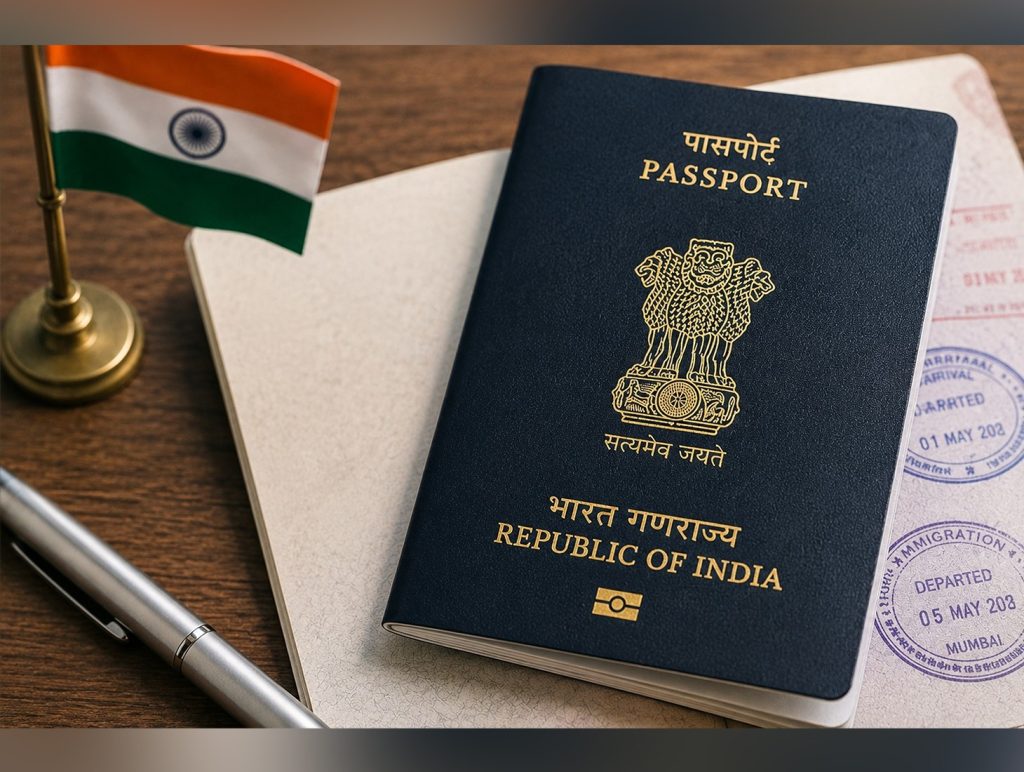
The Centre government has said that a passport has never been considered conclusive proof of…
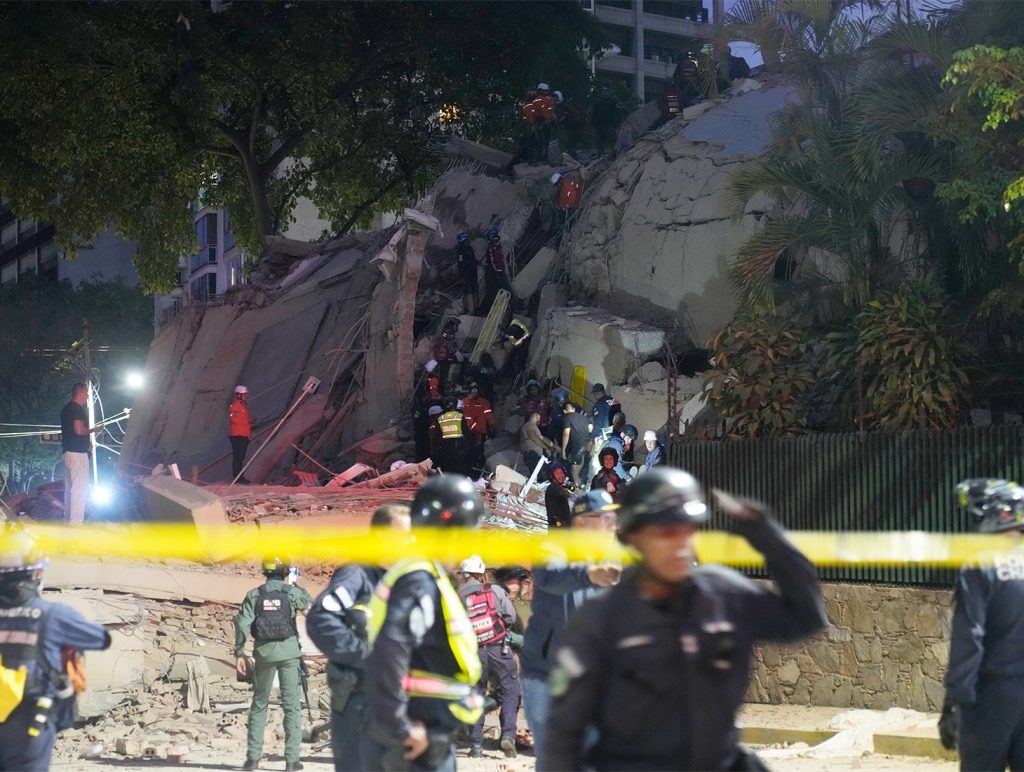
Venezuela, June 25 At least 164 dead, 971 people injured after two powerful earthquakes struck…
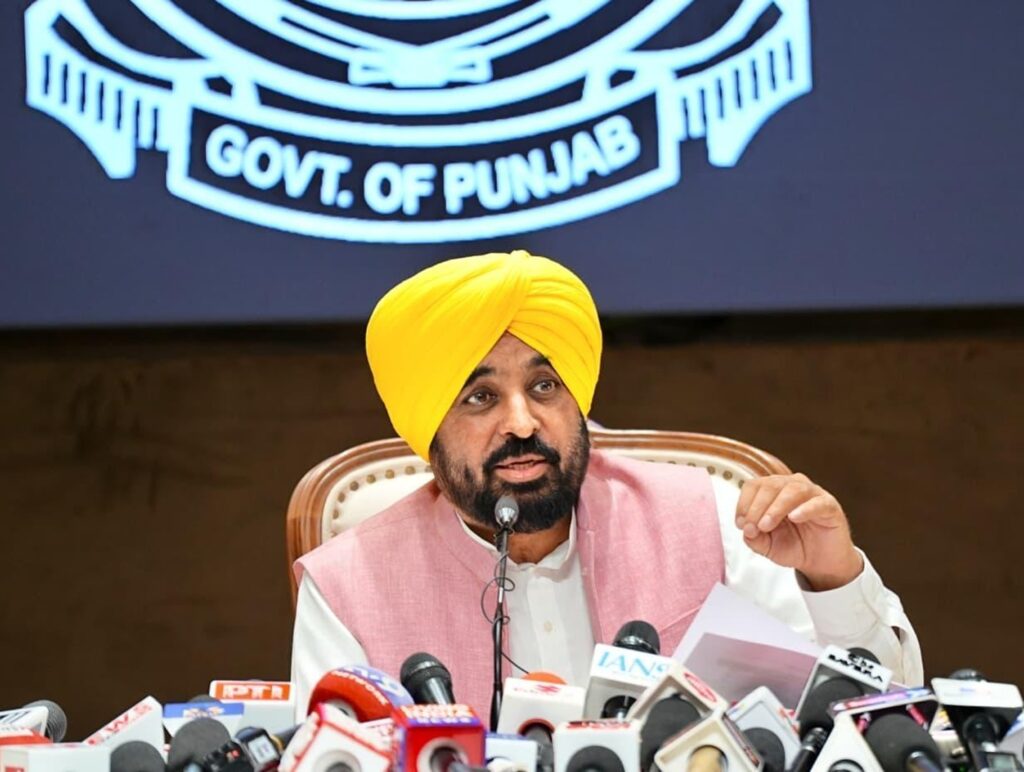
Chandigarh, June 24 In a significant development, Punjab Chief Minister Bhagwant Singh Mann on Wednesday…