








Chandigarh, June 22
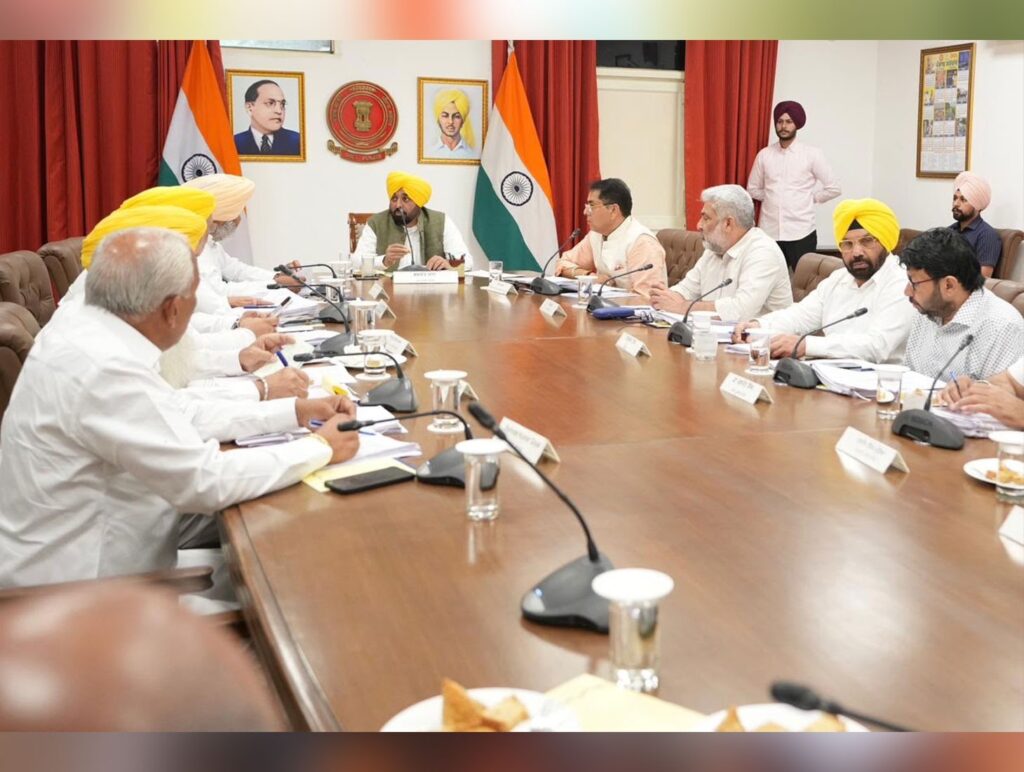
The Punjab government has approved an ordinance aimed at limiting annual fee increases in private schools to 5 per cent, in a move it says is designed to ease pressure on parents. The decision was taken at a Cabinet meeting chaired by Chief Minister Bhagwant Mann and announced by Finance Minister Harpal Singh Cheema.
Under the proposed law, private schools will be allowed to raise fees by a maximum of 5 per cent each year. The ordinance will now be sent to the Governor for approval before it comes into force. Education Minister Harjot Singh Bains said schools that increased fees by more than 15 per cent over the past three years would be required to refund the excess amount collected above that threshold. He added that if any school wishes to raise fees beyond the 5 per cent limit, it must seek approval from a committee headed by a divisional commissioner. The panel will assess the request and has the authority to approve or reject it after reviewing the school’s justification.
The 5 per cent cap will apply to all compulsory charges, not just tuition fees, the government said, reiterating an earlier announcement made by Chief Minister Mann on June 3.
The move is being positioned as a step towards greater transparency and regulation in school fee structures, while ensuring that increases remain within what the government describes as “reasonable limits”.
The Punjab Cabinet has approved a series of measures aimed at boosting industrial growth, improving government efficiency and bringing administrative services closer to people.
In a key decision, the Cabinet approved amendments to guidelines governing the disbursement of capital subsidies and investment incentives under the state’s industrial policies. The changes are intended to simplify the process for businesses seeking financial support, reduce administrative hurdles and ensure uniform implementation across eligible industrial units.
Under the revised framework, industrial units that qualify for capital subsidies will be able to access incentives after the removal of certain clauses from the existing guidelines subject to document verification and compliance with prescribed conditions. The government said the move is expected to encourage investment and support industrial development across Punjab.
The Cabinet also approved the implementation of the State Data Integration Platform (SDIP), a project designed to connect databases across government departments. Officials say the initiative will help eliminate duplication, streamline public services and improve coordination between departments.
A three tier steering committee, headed by the Chief Secretary, will oversee the rollout of the platform. The panel will include senior officials from key departments and will be responsible for ensuring smooth implementation.
In another decision aimed at improving public access to government services, the Cabinet approved the creation of the post of Additional Deputy Commissioner (General) and supporting staff for Dasuya subdivision in Hoshiarpur district.
Residents of the area currently travel long distances for administrative approvals, revenue-related work and grievance redressal. The government said the new posts would help reduce delays, save time and lower costs for local people by bringing services closer to their doorstep.
Five new positions, including that of Additional Deputy Commissioner (General), will be created as part of the move.
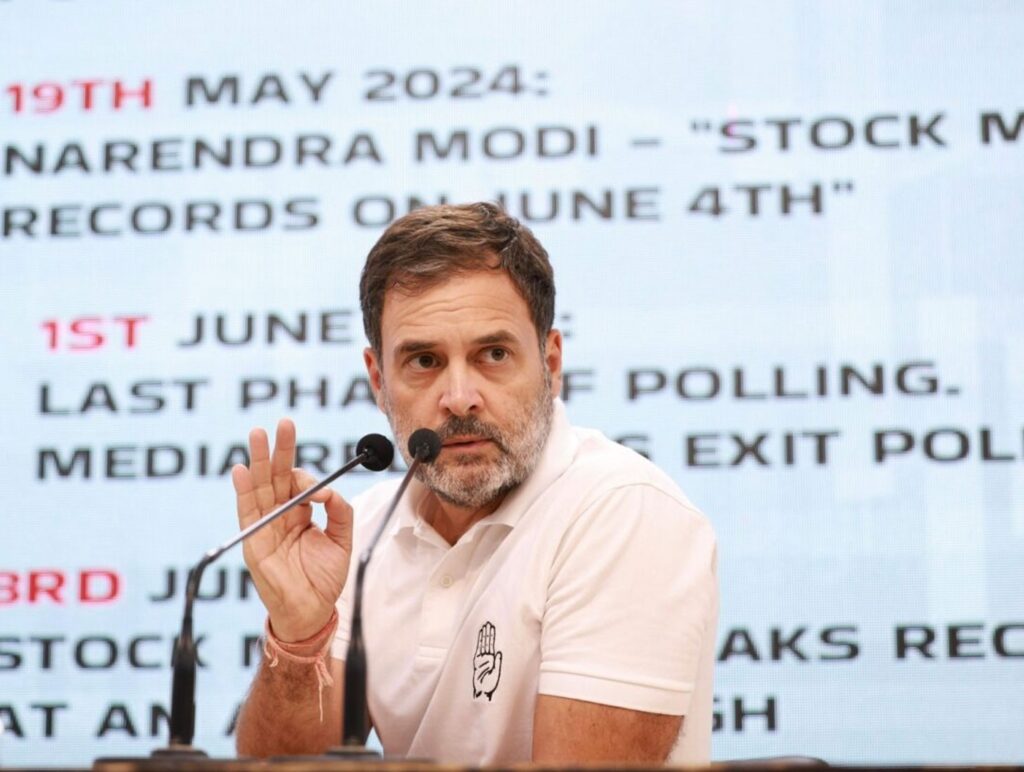
Jabalpur, June 26 The Madhya Pradesh High Court on Thursday dismissed a defamation case against…
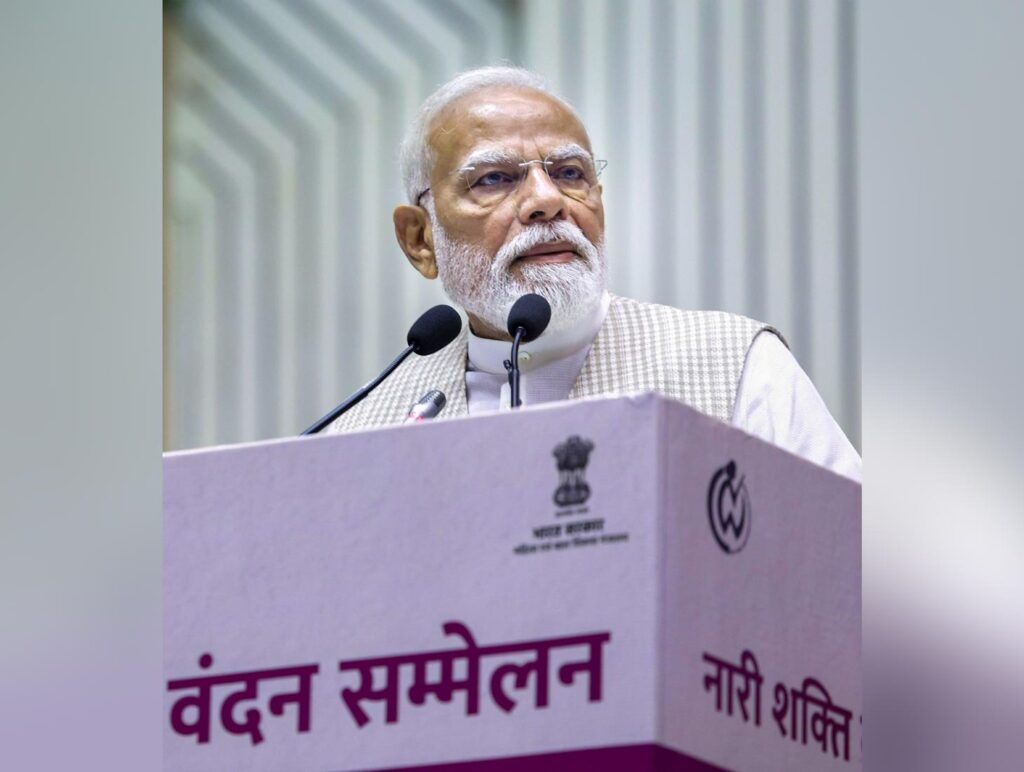
New Delhi, June 25 Prime Minister Narendra Modi on Thursday described the Emergency imposed in…
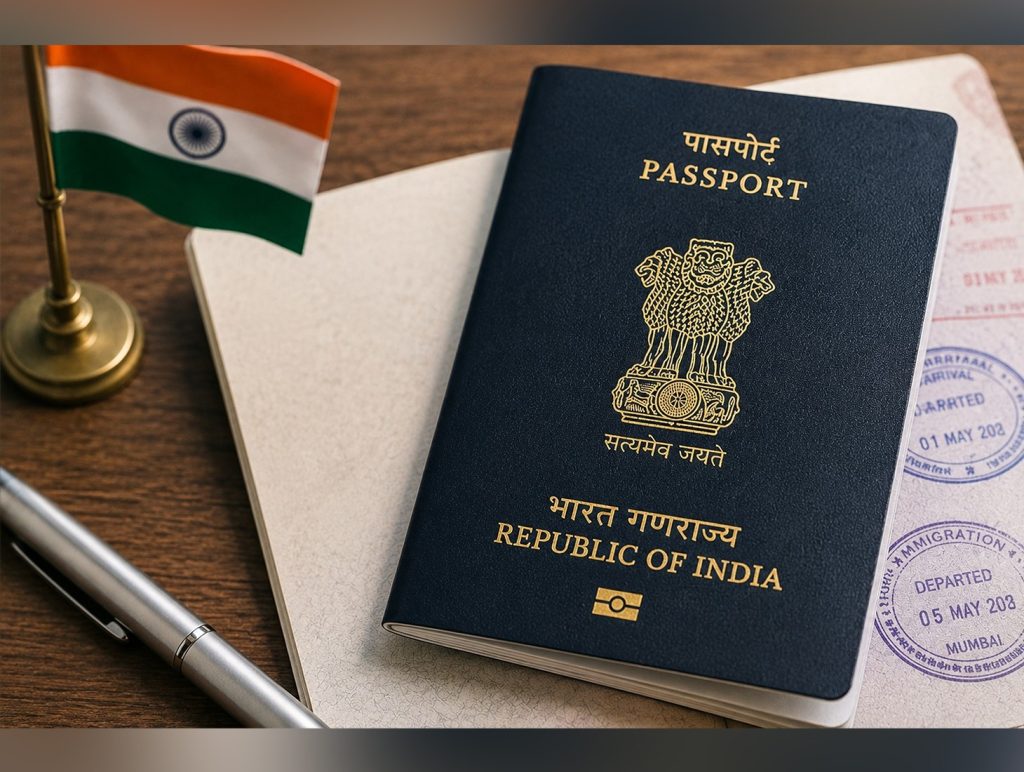
The Centre government has said that a passport has never been considered conclusive proof of…

Venezuela, June 25 At least 164 dead, 971 people injured after two powerful earthquakes struck…