Spread the news
Chandigarh, June 26
Fatty liver disease is emerging as a significant public health concern in India, with a recent study indicating that nearly 38.9 percent of Indian adults may be affected by Metabolically Dysregulated-Associated Steatotic Liver Disease (MASLD), previously known as Non-Alcoholic Fatty Liver Disease (NAFLD). Health experts warn that the condition is increasingly being diagnosed even among individuals with normal body weight.
The findings, published in The Lancet Regional Health – Southeast Asia, are based on data collected from more than 7,700 adults associated with 37 laboratories of the Council of Scientific and Industrial Research across 27 cities. The study highlights the growing prevalence of excessive fat accumulation in the liver, a condition that can gradually lead to inflammation, liver damage, and other serious health complications.
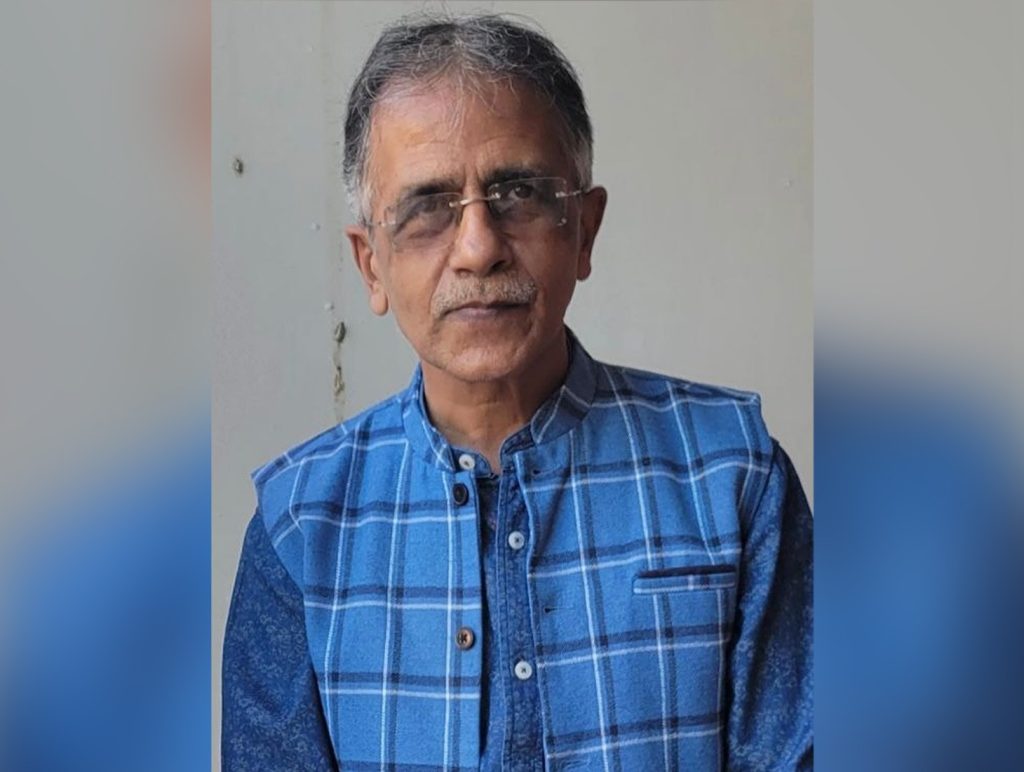
According to Chandigarh-based former Assistant Professor Dr. H.K. Kharbanda, the trend of “lean fatty liver” is becoming increasingly common. He said many people incorrectly assume that maintaining a normal body weight and having routine blood tests within acceptable limits automatically guarantees a healthy liver. “Normal weight does not necessarily indicate a healthy metabolic profile,” Dr. Kharbanda said. He stressed that if India aims to become a healthier, more productive nation, greater attention must be paid to the prevention and management of lifestyle-related diseases. Dr. Kharbanda advised regular health check-ups, controlled carbohydrate consumption, and a balanced diet rich in fiber and protein. He recommended that vegetarians include lentils, chickpeas, kidney beans, soy products, paneer, buttermilk, sprouts, nuts, and seeds in their daily diet.
He also suggested eating salads, green vegetables, and other fiber-rich foods 15 to 20 minutes before meals to help regulate blood sugar and insulin levels. A walk of 10 to 15 minutes after meals, he said, can significantly reduce the risk of fatty liver, obesity, and diabetes.
The health expert further emphasized the importance of timely meals, preferably before sunset, regular physical activity, and routine medical screening as effective measures to prevent fatty liver disease and reduce the likelihood of long-term complications.